
Supply Chain Management ERP: 8 Powerful Benefits You Need

In today’s highly competitive business environment, supply chain efficiency has become a decisive factor for organizations across Saudi Arabia and the GCC. Companies are under continuous pressure to deliver products faster, reduce operational costs, and maintain accurate inventory levels.
This is where Supply Chain Management ERP emerges as a powerful solution. By integrating procurement, warehousing, logistics, demand planning, supplier management, and financial operations into one unified platform, ERP systems eliminate inefficiencies and enable real-time visibility across the entire supply chain.
Below are 8 powerful benefits of using Supply Chain Management ERP to transform your operations and support smarter, data-driven decision-making.
1. Real-Time Visibility Across the Entire Supply Chain
Visibility is one of the most important components of a successful supply chain. Traditional systems rely on manual updates, spreadsheets, and fragmented software, creating blind spots that lead to stockouts, delays, and excessive inventory.
With Supply Chain Management ERP, businesses gain:
- Real-time stock monitoring across multiple warehouses
- Instant tracking of purchase orders, shipments, and deliveries
- Live updates on supplier performance and lead times
- Accurate reporting on cost, quantity, and demand
This level of transparency reduces uncertainty and helps teams make informed decisions faster.
2. Streamlined Procurement and Supplier Management
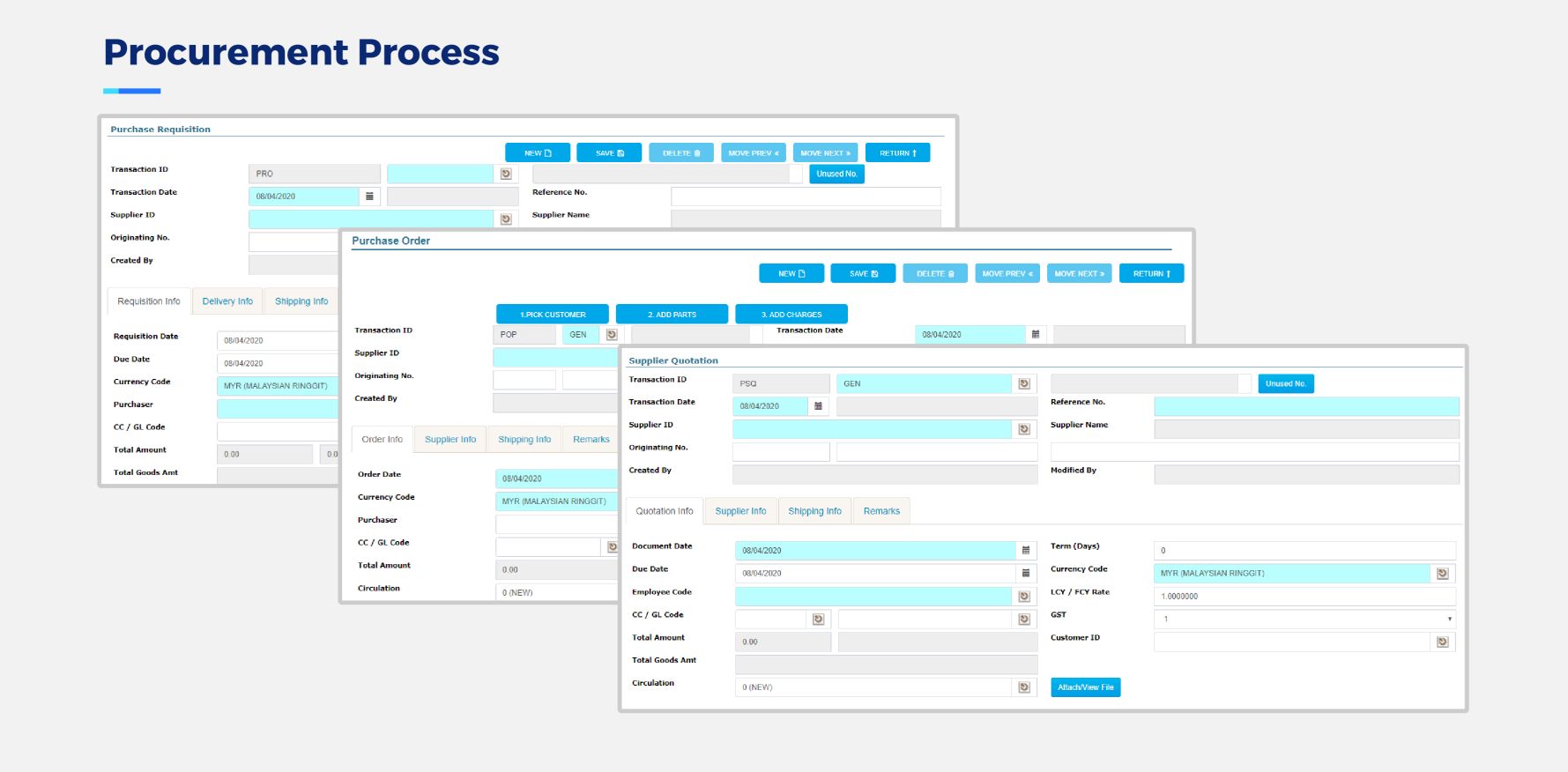
Procurement teams often struggle due to manual approvals, lost paperwork, and inconsistent supplier communication. ERP systems automate and standardize the whole process:
- Automated purchase requests (PR) and purchase orders (PO)
- Pre-defined approval workflows
- Supplier scorecards and performance evaluations
- Centralized documentation and contracts
- Cost comparison and price negotiation tools
This ensures procurement is not only faster but also more strategic and cost-effective.
3. Accurate Inventory Planning and Demand Forecasting
A major benefit of using Supply Chain Management ERP is the ability to forecast demand based on real data. Unlike manual forecasting, ERP uses:
- Historical sales data
- Seasonal trends
- Production schedules
- Real-time stock movement
- Lead time analysis
With automated demand forecasting, companies maintain optimal inventory levels — not too high to cause overstock and not too low to cause shortages.
4. Improved Warehouse Efficiency and Tracking
Warehousing operations form a major part of the supply chain ecosystem. ERP enhances warehouse performance through:
- Barcode and QR code scanning
- Automated stock transfer requests
- Location-based bin tracking
- Real-time stock updates
- Smart replenishment alerts
- Integration with POS and eCommerce platforms
These tools reduce picking errors, accelerate cycle counts, and ensure that staff always know where items are stored.

5. Faster Order Fulfillment and Reduced Delivery Delays
Customer satisfaction depends heavily on delivery speed and accuracy. ERP systems support efficient order fulfillment through:
- Automated order routing
- Shipment tracking
- Delivery scheduling
- Real-time coordination between sales, inventory, and logistics
- Automatic invoice and delivery note generation
As a result, businesses achieve shorter order cycles, fewer delays, and higher customer retention.
6. Cost Reduction Across the Supply Chain
Every department in the supply chain incurs costs — procurement, warehousing, logistics, and finance. ERP helps control and reduce these costs by:
- Minimizing manual errors
- Reducing excess inventory
- Automating repetitive tasks
- Optimizing stock ordering
- Enhancing supplier cost negotiation
- Eliminating duplicated data and systems
Many companies report 10–30% reduction in operational costs after adopting an integrated SCM ERP system.

7. Better Compliance, Reporting, and Audit Readiness
Companies in Saudi Arabia must ensure compliance with:
- ZATCA e-Invoicing
- VAT reporting
- Customs documentation
- Supplier contracts
- Traceability requirements
Supply Chain Management ERP simplifies compliance by generating automatic reports, maintaining digital records, and ensuring data accuracy across all departments. This reduces audit risks and saves significant administrative time.
8. Integration with Finance, HR, Inventory, and Sales
The most powerful advantage of ERP over standalone SCM tools is integration. With ERP, all business functions work in harmony:
- Finance sees real-time cost updates
- Sales teams know stock availability instantly
- HR manages workforce for warehouse and logistics
- Inventory is updated automatically upon every movement
- Procurement receives alerts based on reorder levels
- Management receives real-time dashboards for KPIs
This creates a seamless flow of information and prevents data silos.

Why Businesses Need Supply Chain Management ERP
Businesses across different industries are increasingly relying on Supply Chain Management ERP to streamline their operations and gain full visibility over procurement, inventory, and logistics. Instead of dealing with multiple disconnected systems, companies can manage their entire supply chain from a single centralized platform. This unified approach reduces delays, eliminates duplicated data, and helps teams make faster and more accurate decisions based on real-time information.
How Supply Chain Management ERP Automates Key Operations
One of the main reasons organizations adopt Supply Chain Management ERP is the ability to automate critical workflows such as purchase requests, stock transfers, shipment tracking, and vendor performance monitoring. Automation not only saves time but also reduces human error, improves compliance, and ensures that every transaction is properly recorded. These capabilities empower supply chain leaders to optimize processes and maintain efficiency even during high-demand seasons.
The Strategic Impact of Supply Chain Management ERP on Business Growth
With rapid digital transformation in the GCC, companies are actively seeking tools that combine accuracy with scalability — and Supply Chain Management ERP delivers both. By integrating seamlessly with finance, sales, HR, and warehouse modules, the system creates a complete operational ecosystem that supports strategic planning and long-term growth. Whether a company wants to control costs, enhance customer satisfaction, or improve delivery performance, a modern ERP-driven supply chain is the key to achieving sustainable success.
Internal Links Section (Suggested for Ranking Boost)
- 5 Powerful Shifts Shaping the Future of Cybersecurity in Saudi Arabia
- Inventory Management Methods in ERP: 7 Powerful Differences You Must Know
Conclusion
Supply Chain Management ERP offers unmatched value for businesses aiming to enhance operational efficiency, minimize costs, and maintain full control over their supply chain. With real-time visibility, automated workflows, strong integration, and smart forecasting, ERP becomes an essential foundation for growth — especially in fast-moving markets like Saudi Arabia and the GCC.
Whether your company is in retail, manufacturing, contracting, agriculture, or services, implementing a robust SCM module can dramatically transform performance and give your business a long-term competitive edge.


